Get the Right Type of Moving Supplies
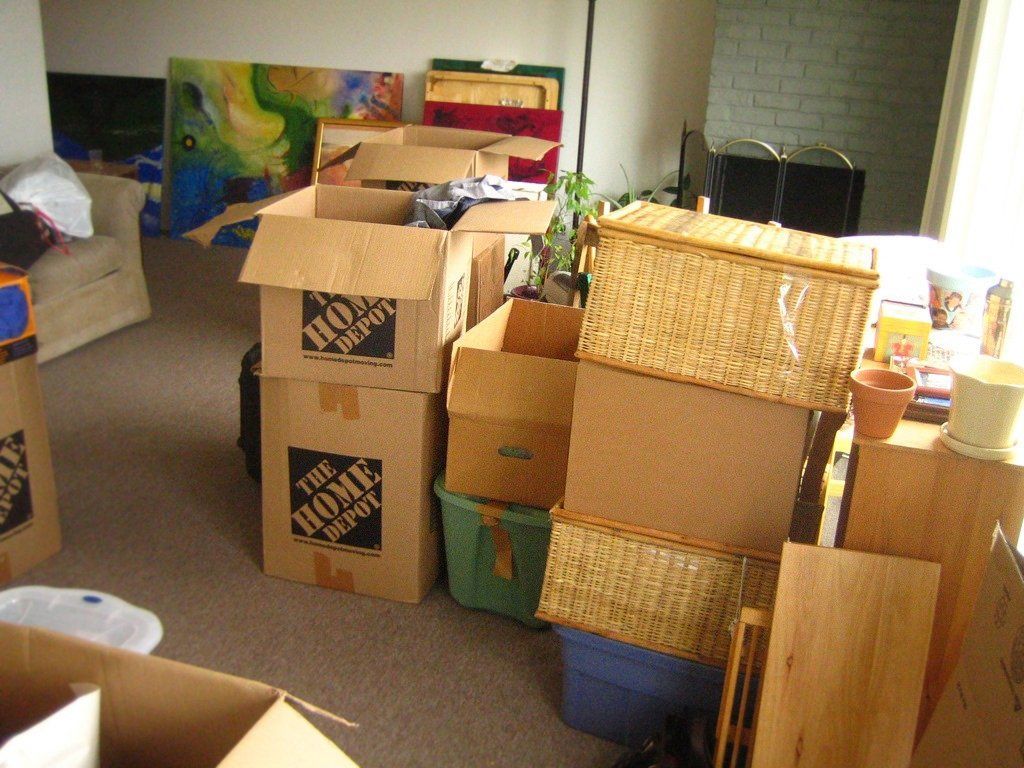
Getting the right moving supplies makes the packing process so much easier. It also ensures you have everything you need to pack correctly and prevent your belongings from being damaged during your move. Moving boxes and tape are the primary moving supplies you need, so it’s important to know what kind and how much of each you need. The list of other moving supplies you need to streamline the process and help you stay organized is likely larger than you realize.
Moving Boxes
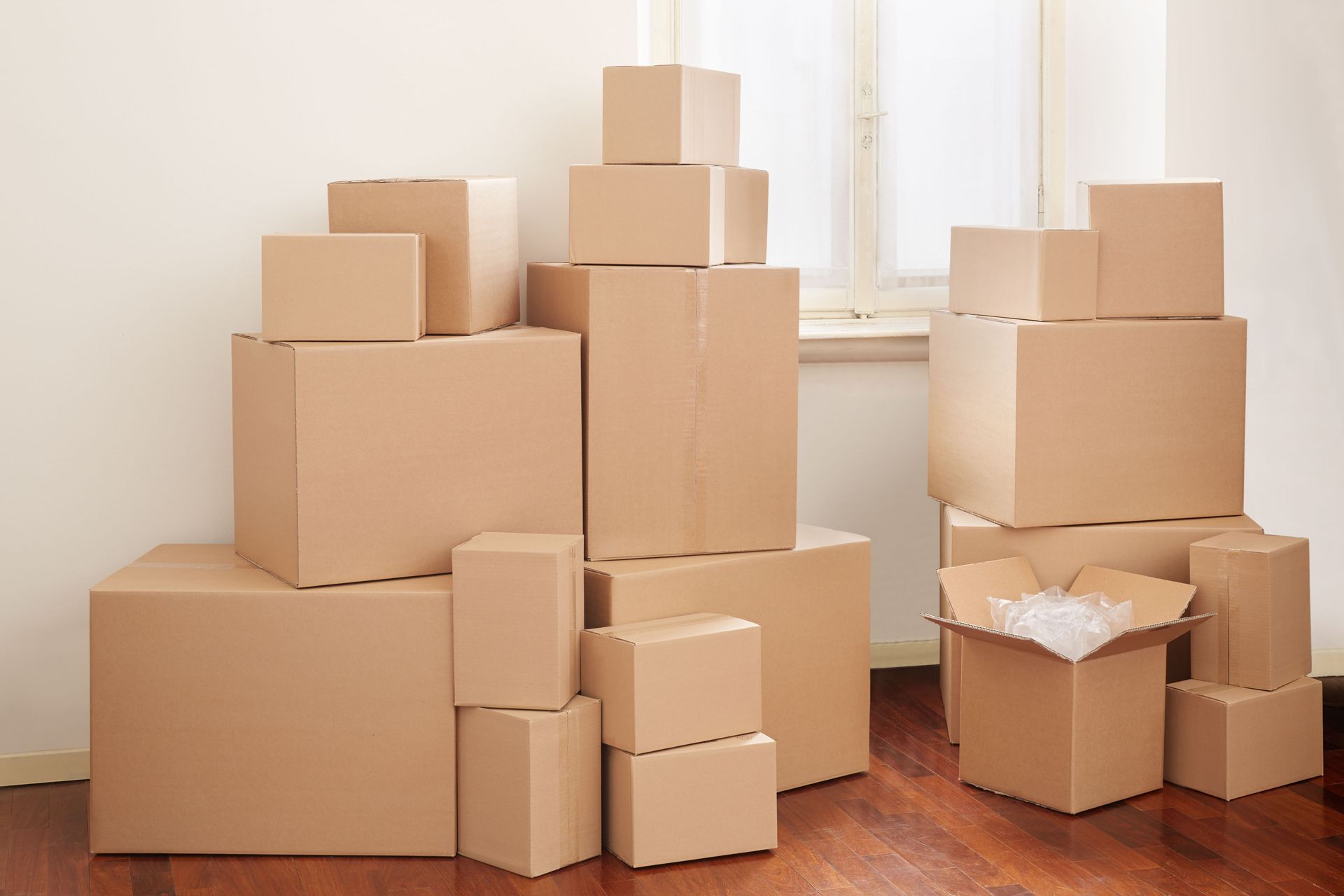
You need a variety of box sizes ranging from small to extra-large. Smaller boxes are ideal for dense items like books to ensure your boxes aren’t overly heavy. Larger boxes work best for lightweight items that take up a lot of room. Invest in boxes designed for specific home goods to better protect these items and make them easier to pack. Top choices include:- Wardrobe boxes make it easy to pack your clothes right on the hangers.
- Dish and glass packing boxes have pre-assembled partitions to protect fragile dishware.
- Flat-screen television or artwork boxes adjust to protect fragile TVs and pictures and include easy carry handles.
- Mattress boxes adjust to fit and keep mattresses or box springs dry and clean.
- Document boxes work great for home office files.
- Moving box kits provide an assortment of moving boxes and supplies to fit a variety of home sizes.
Tape
Like strong heavy-duty boxes, you also need high-quality tape to assemble broken down boxes and to securely seal these boxes once you’ve filled them. Shipping tape is a cost-effective choice that’s strong, easy to use and ideal for sealing the average moving box. Don’t forget a shipping tape gun for a quicker, easier way to dispense and cut your tape to the perfect length. Shipping tape may also suffice for building boxes, but for maximum reinforcement on heavy boxes, consider strapping or filament tape with an inner plastic core that’s hard to rip. Masking or painter’s tape doesn’t work for sealing boxes but offers an inexpensive way to label your boxes when you don’t want to write on them.Protective Packing Material
No matter how good your boxes and tape, haphazardly throwing your belongings into a box is a sure way to end up with lots of broken and damaged stuff. Use foam sheets between dishes and bubble wrap for larger fragile items. Packing paper also works for breakables but doesn’t provide as much cushioning as foam or bubble wrap. Avoid using it for extremely delicate items. Paper is also ideal for filling empty spaces (known as void fill) in your boxes to keep items from shifting. Furniture pads and moving blankets are ideal for larger items you want to protect, such as your furniture, television, mirrors and oversized artwork.Labeling Supplies
As you pack, label your boxes to make organizing and unpacking easier. Labeling the boxes with the name of the room you want the boxes to go in makes unpacking go smoothly. For instance, write Kitchen on boxes containing dishes and glassware. There are other ways of labeling, such as a color-coded moving label system. Green tape could be for the kitchen, and red tape could be for the living room. Use different colors for different bedrooms and bathrooms. Whatever method you choose, labeling your boxes ensures they end up the right room when you move, saving you time and preventing muscle strains from shuffling boxes around.Moving and Lifting Equipment
Moving means some heavy lifting, so it’s vital to have the right moving equipment for the job. Hand trucks work well for most appliances and furniture dollies are great for moving furnishings and bulky, flat items. Unless you plan on moving heavy furniture and appliances frequently, renting this equipment makes more sense than buying. If your move includes carrying large items up and down stairs, also consider lifting straps to save your back. These help reduce bending and may reduce the risk of injuries.Often Overlooked Moving Supplies
Some moving supplies are easy to overlook. Plastic baggies are great for holding small items or keeping like items together, such as the hardware from taking apart furniture. Label each bag, and store them together in one box, so you can quickly find what you need when it’s time to reassemble. Sandwich or quart-sized bags work well for hardware and gallon-size bags conveniently hold cords and cables. Other moving supplies you’ll need are:- Rope, tie-downs and/or bungee cords to secure boxes and furniture in the moving truck.
- Stretch wrap for securing cabinet doors and bureau drawers without leaving any sticky residue behind.
- Toolset, including a basic set of screwdrivers, wrenches and pliers, for disassembling and reassembling furniture. A hammer may also be handy.
- Work gloves to protect your hands from scrapes and cuts.
- Padlock for the back of your moving truck to protect your possessions inside.
- Scissors or box cutter to open boxes when it’s time to unpack.
How Much Do You Need?
Deciding how much moving supplies you need is tricky because everyone packs differently. Some people squeeze more stuff into fewer boxes, while others use lots of bubble wrap and need more boxes and packing materials than the average packer. Just like packing always takes more time than you think it will, you almost always need more packing supplies than you anticipated. Nothing slows you down more than running out of boxes at midnight the night before you’re scheduled to move, so overestimate what you think you’ll need. Getting the right number of boxes is your first priority. Start with an online packing calculator for a general idea of how many boxes it should take for your size of household. If you’re renting plastic boxes, give the box rental company a detailed inventory of your belongings, and they can provide you with a reasonably accurate estimate of the number of boxes you need. If you’re worried about overspending on boxes, most packing box suppliers and moving companies buy back unused boxes , so there’s less worry about having leftovers. Online and local box exchange programs also provide a place to sell or give away your boxes and other moving supplies. Some packing calculators also help you estimate other packing materials. If you’re using filament tape, a 60-yard roll of 2-inch-wide tape should assemble 10 to 15 boxes. Base your purchase on the number of boxes you expect to need. Other common amounts of moving supplies to purchase include two rolls of packing tape, one 1,000-foot stretch wrap, 200 sheets of packing paper and 200 feet of bubble wrap for an average two-bedroom home. You can estimate the number of furniture pads and/or moving blankets simply by counting how many pieces you believe would benefit from the extra padding.How to Find Free or Low-Cost Supplies
The cost for moving supplies can add up quickly, so if you’re on a tight budget, consider low-cost or no-cost substitutions to purchasing new materials. You can find several sources online and even right in your own neighborhood for free boxes and packing supplies. You might also be surprised at what you can use around your home to save a few bucks on your moving costs. Buy new moving boxes for especially fragile items, but many items will do just fine in a used box. Know what to look for to ensure your used boxes are as sturdy as possible. Examine used boxes carefully for rips, holes or stains that could indicate damage or weakness. Free boxes are worthless, except as firestarters, if they’re no longer sturdy and clean. Check online at Freecycle, on the free section of Craigslist or via U-Haul’s Box Exchange. Check at your local liquor stores for emptied liquor boxes. Many of these have the added perk of having dividers inside — perfect for packing glassware. Other local places to check for decent empty boxes are bookstores, grocery stores and restaurants. Nearly everyone needs some type of protective packing materials for fragile belongings. While lots of people prefer bubble and/or foam wrap, you don’t have to spend a lot of money. Keep your fragile goods intact with used, recycled newspapers or end rolls of newsprint sometimes available from local newspaper producers. Get creative in your own home with packing materials you might not realize you already have. Save some boxes by packing items in empty duffle bags, suitcases and chests. Avoid wasting space packing blankets, linens, towels and even clothing; instead, use them to wrap fragile items. One of the biggest ways to save money on moving supplies is to have less stuff to pack. The more you own, the more supplies you need, so work on decluttering and downsizing before you move. Go through everything you own, examine each item carefully and ask yourself whether you ever use it or still want it. If something is broken or of no value, throw it away. Items you don’t need or want that are in good shape and still worth something, you can sell, donate or recycle. The more you lighten your load, the more time and money you save on your move.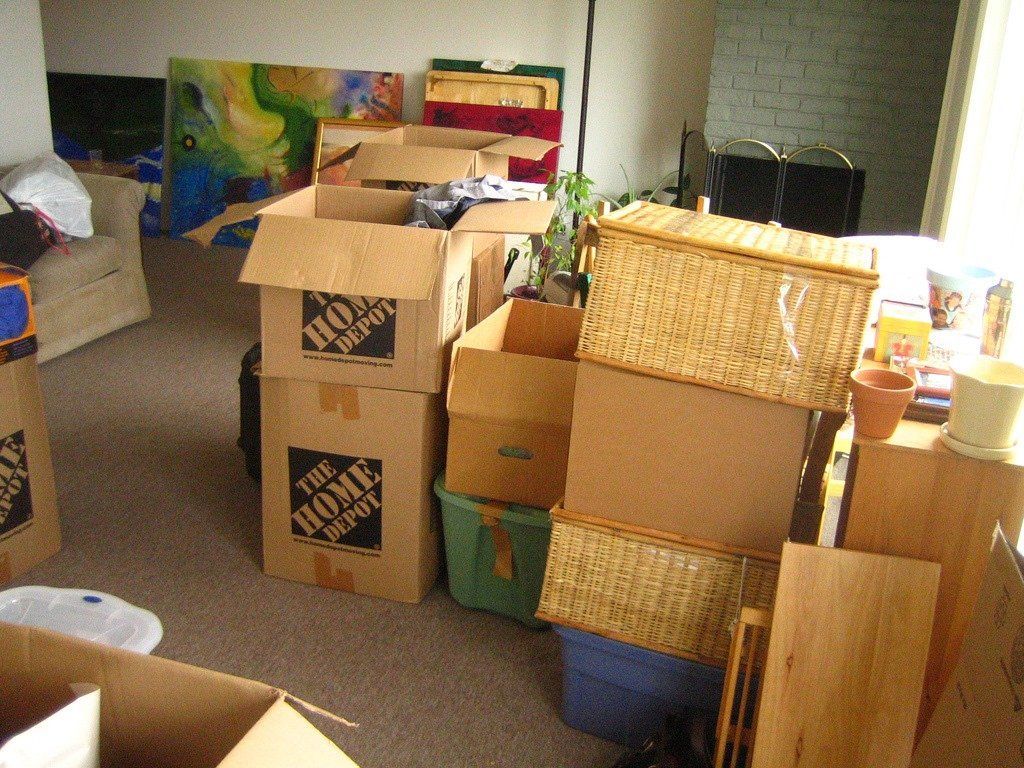
May 5, 2026
In this article, you can learn how hiring professional and reliable moving companies for your next move can provide a seamless transition and reduce stress.